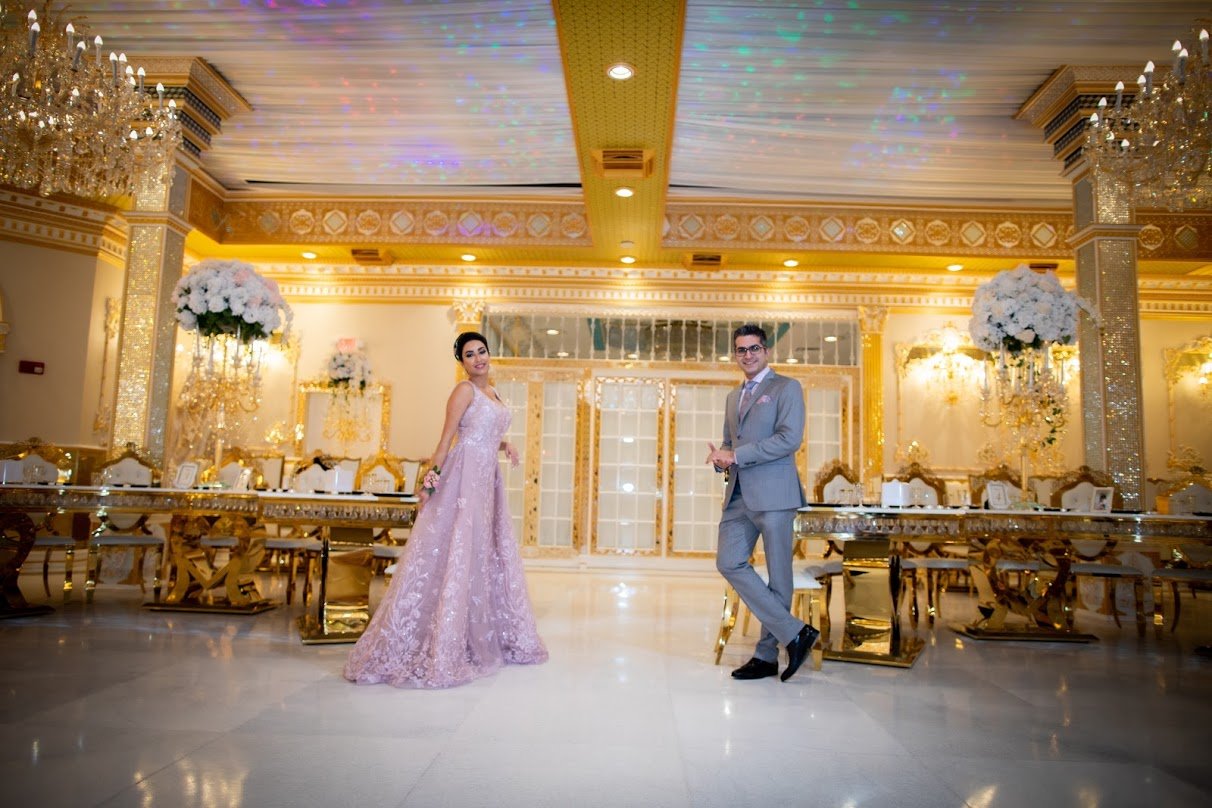
A beautiful venue can catch your eye in seconds. What usually determines whether the event actually feels smooth, comfortable, and memorable is the floor plan. A flexible event space layout gives you more than extra room – it gives you options for how the celebration unfolds, how guests move, and how every major moment is experienced.
For milestone events, that flexibility matters. A wedding reception has different priorities than a quinceañera. A birthday dinner needs a different rhythm than a banquet or private party. When a venue starts with an open, adaptable layout rather than a fixed setup, hosts have far more freedom to shape the room around the event instead of adjusting the event to fit the room.
Why flexible event space layout matters
Most hosts are balancing two goals at once. They want the event to look refined, and they want it to function well for real people. Those goals are connected. Guests notice when a room feels crowded, when the dance floor is squeezed into a corner, or when the head table blocks traffic.
A flexible event space layout helps prevent those common problems because the room can be arranged around the event’s priorities. If your guest count is closer to 200, the layout may focus on circulation, table spacing, and clear sightlines. If the event includes a grand entrance, formal dances, a dessert display, and a DJ, those features need to be placed with intention so the room feels balanced instead of busy.
This is especially valuable for family-centered celebrations with multiple generations in attendance. Grandparents may want comfortable seating and easy access. Younger guests may be drawn toward the dance floor and photo moments. Children need room to move without disrupting key areas. A flexible layout makes it easier to create zones that support everyone without losing the polished look of the event.
The best layout starts with the event’s main moments
One of the biggest mistakes hosts make is choosing tables first and flow second. The better approach is to start with the moments that matter most.
For a wedding, that may be the ceremony transition, sweetheart table placement, first dance, and guest dining experience. For a sweet sixteen or quinceañera, the focal points may include the entrance, court presentation, dance performances, and a statement cake or dessert display. For a banquet, the priorities may shift toward stage visibility, organized seating, and efficient service.
When those moments are identified early, the layout becomes much easier to build. The room can support the event naturally because every major element has a purpose and enough space around it. That usually creates a more elegant result than trying to fit several features into a rigid preset plan.
How an open floor plan supports different celebrations
An open indoor venue gives hosts more control over scale and atmosphere. That matters because celebrations rarely follow one standard format.
A formal reception may call for a centered dance floor, evenly spaced guest tables, and a clear visual line to the head table. A birthday celebration may feel better with more lounge-style openness and a larger entertainment area. A quinceañera often needs room for ceremony, family seating, performance moments, and photo-worthy focal points that deserve visual breathing room.
The advantage of flexibility is not just that furniture can move. It is that the whole event can be composed more thoughtfully. The room can feel grand without feeling crowded. It can feel lively without becoming disorganized. In a large venue, that balance is what creates comfort for guests and confidence for the host.
For Tampa-area families planning milestone celebrations, this can be the difference between a space that looks attractive in photos and a space that truly works from arrival to final dance.
Flexible event space layout for guest flow
Guest flow is one of the most practical parts of event design, and one of the easiest to underestimate. Even a refined space can feel stressful if guests are constantly cutting across key areas to reach their tables, the buffet, the bar, or the restrooms.
A strong layout guides movement without making it obvious. Guests should be able to enter, find their seats, greet others, and participate in the event without confusion. This often means keeping high-traffic areas open and avoiding bottlenecks near entry points or major displays.
It also means thinking through transitions. Where do guests gather during cocktail hour? How do they move into the main reception area? If there is a dance floor reveal, can that happen without dragging tables or disrupting service? These details may sound small at first, but they shape how polished the event feels in real time.
A versatile venue makes these transitions easier because the floor plan can be adjusted around them. Instead of forcing guests through a layout that was designed for a different type of event, the setup can reflect the actual schedule and energy of your celebration.
Seating style changes the room
Round tables, banquet tables, sweetheart tables, head tables, and family tables all influence the way a room feels. Round tables often create a softer, more social atmosphere. Long banquet seating can feel dramatic and modern, but it needs careful spacing to avoid crowding. A large family event may benefit from a mix of table styles depending on who is attending and how formal the service will be.
There is no one right answer. The best choice depends on guest count, meal style, room proportions, and whether the event emphasizes dining, dancing, or ceremony. That is why adaptable space matters. It gives you room to build around your priorities instead of settling for a layout that is simply standard.
Statement areas need room to shine
Cake displays, photo backdrops, sweetheart tables, gift tables, and DJ setups often compete for attention. If they are all placed too close together, none of them stand out. If they are spread too far apart, the room can feel disconnected.
A well-planned layout creates focal points without clutter. Each statement area should feel intentional and visible, while still leaving enough open space for guests to move comfortably. This is where a large, flexible indoor venue has a clear advantage. It allows decorative moments to look elevated rather than squeezed into leftover corners.
What hosts should consider before choosing a layout
Before finalizing a floor plan, it helps to answer a few practical questions. How many guests are truly expected, not just invited? Will the event include dancing? Is there a formal entrance or program? Will food be plated, buffet-style, or station-based? Are there elderly family members who need easier access and quieter seating?
These questions shape more than logistics. They influence the atmosphere of the entire celebration. A room designed for 150 guests feels very different from one arranged for 200, even in the same venue. A dinner-forward banquet needs a different balance than a high-energy birthday party. Good planning acknowledges those trade-offs early.
It also helps to think visually. A spacious room should not feel empty, but it also should not feel overfilled. The right layout creates proportion. That is part of what makes an event feel classic and refined rather than improvised.
At Chic Venue Anderson, the appeal of a large open venue is exactly this balance – an elegant setting with the freedom to shape the floor plan around the celebration, whether the event is formal, festive, traditional, or highly personalized.
When flexibility adds real value
Not every event needs the same amount of customization. Some hosts want a straightforward reception layout with clear dining and dancing zones. Others are planning events with cultural traditions, custom staging, performance elements, or layered timelines that require more thoughtful spacing.
In those cases, flexibility becomes more than a convenience. It becomes part of the event’s success. A room that can adapt to ceremonial moments, large family attendance, entertainment needs, and decor installations gives hosts far more control over the experience they are creating.
That is particularly important for milestone celebrations because these events carry emotional weight. The venue should support that significance, not complicate it. A refined setting with an adaptable layout gives hosts the ability to create something personal while still maintaining structure and elegance.
The strongest event spaces are not just attractive. They are prepared. They make it easier to host a celebration that feels organized, welcoming, and true to the occasion. When the layout can move with your vision, the event itself feels more natural from the first guest arrival to the final farewell.
If you are planning a wedding, quinceañera, sweet sixteen, banquet, or private party, the right floor plan is not a small detail. It is the foundation that helps everything else look and feel right.