

One summer storm can turn a carefully planned ceremony into a rush for umbrellas, power cords, and backup chairs. That is why the indoor vs outdoor wedding venue decision matters so much. It shapes the look of the day, but it also affects comfort, timing, budget, guest experience, and how much flexibility you have when real life steps in.
For many couples, the choice is not simply about what looks prettier in photos. It is about what will feel calm, polished, and easy for everyone involved. In a place like Tampa, where sunshine, humidity, heat, and sudden rain can all show up in the same week, venue style becomes a practical decision as much as an aesthetic one.
Indoor vs Outdoor Wedding Venue: Start With Your Priorities
Before comparing details, it helps to be honest about what matters most to you. Some couples picture natural light, open skies, and a ceremony framed by greenery. Others want a refined setting where every element feels controlled, from the temperature to the lighting to the flow of the evening.
Neither preference is more romantic or more elevated than the other. The better option is the one that supports your guest count, your style, your timeline, and your stress level. If your top priority is predictability, an indoor space often makes planning easier. If your vision depends on a garden backdrop or sunset ceremony, outdoor appeal may carry more weight.
The best wedding venues do not just look beautiful. They work beautifully.
What an Indoor Wedding Venue Does Best
An indoor wedding venue offers structure, comfort, and consistency. That matters more than many couples realize in the early planning stage.
Climate control is one of the biggest advantages. Your guests are not managing heat, wind, rain, or cold while trying to enjoy the ceremony. Hair, makeup, florals, cake, candles, and entertainment are easier to protect. Vendors also tend to work more efficiently in a controlled environment, especially during setup and breakdown.
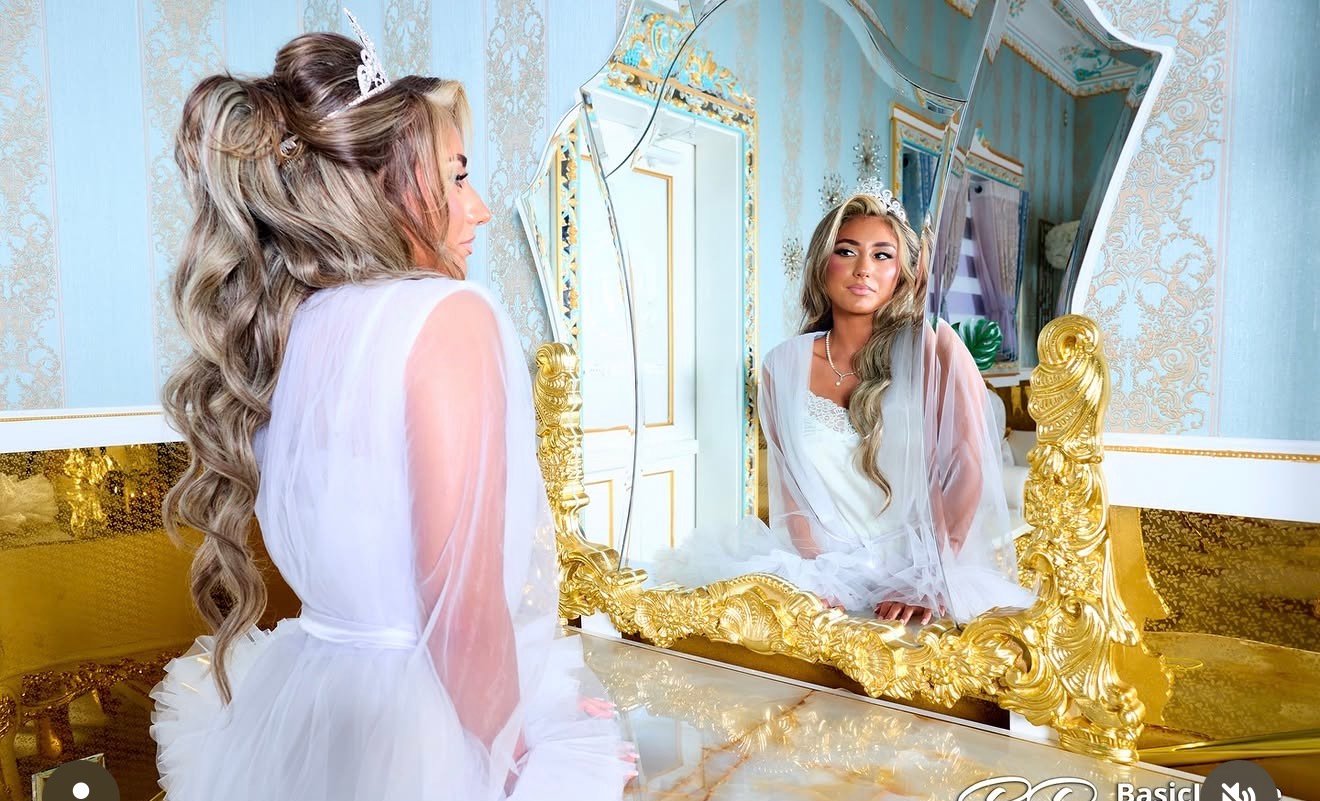
Indoor spaces also make it easier to create a refined visual experience. Lighting can be adjusted. Layouts can be tailored. Decor feels more intentional because the setting is not competing with changing weather or uneven ground. In a versatile venue, you can design the room around your event instead of forcing your plans around the location.
This is especially valuable for medium-to-large celebrations. With a higher guest count, logistics become more important. Guests need room to move, sit comfortably, dine, and celebrate without feeling crowded or scattered. A spacious indoor venue can support ceremony seating, cocktail flow, dining, dancing, and formal traditions in a way that feels organized and polished.
That does not mean indoor weddings feel closed in. A well-designed venue with generous square footage, thoughtful architecture, and scenic surroundings can still feel open and visually striking. If the venue includes large windows or lake views, you can enjoy a sense of atmosphere without giving up comfort.
Where Outdoor Venues Shine
Outdoor weddings offer a natural sense of romance that many couples love. Gardens, waterfront settings, courtyards, and open-air ceremony spaces can create a beautiful backdrop with less need for added decor. There is also something special about natural light, especially for daytime ceremonies and early evening portraits.
For couples who want their wedding to feel organic, airy, or closely connected to the landscape, outdoor venues can be a strong fit. They often work well for smaller ceremonies, relaxed celebrations, or events where the environment itself is part of the design.
Outdoor settings can also feel memorable in a very specific way. A sunset ceremony or dinner under the sky creates a mood that is difficult to replicate indoors. If the weather cooperates and the setup is well planned, the result can be stunning.
Still, outdoor beauty comes with trade-offs. What feels effortless in inspiration photos often requires much more coordination behind the scenes.
The Real Trade-Offs in an Indoor vs Outdoor Wedding Venue
The biggest difference in an indoor vs outdoor wedding venue is control.
With an indoor venue, you usually have more control over temperature, timing, sound, lighting, flooring, and layout. That gives couples and planners a steadier planning process. It also reduces the number of backup plans needed.
With an outdoor venue, the environment becomes part of your vendor team whether you want it to or not. Wind may affect candles, arches, signage, table settings, and sound equipment. Heat can change the guest experience quickly. Rain can shift the full timeline. Even if you rent tents or reserve an indoor fallback area, those adjustments often add cost and complexity.
There is also the matter of guest comfort. Weddings bring together multiple generations, and not every guest handles outdoor conditions equally well. Older relatives, young children, and guests in formal attire may struggle more with sun exposure, uneven surfaces, bugs, or long walks between event areas. What feels scenic to one person may feel inconvenient to another.
That does not mean outdoor weddings are the wrong choice. It simply means they need more careful planning around variables you cannot fully control.
Budget Is Not Always What It Seems
Some couples assume outdoor weddings are more affordable because nature provides the backdrop. Sometimes that is true. Often, it is not.
Outdoor events may require rentals for tents, fans, heaters, flooring, restrooms, lighting, generators, and weather protection. You may also need additional setup labor and a stronger contingency plan. Those details add up quickly.
Indoor venues can offer better cost clarity. When the structure, restrooms, power, climate control, and core event space are already built in, your planning may become more straightforward. You are often paying for reliability as much as appearance.
This is where flexible venues stand out. A refined indoor space with an open layout can allow for ceremony and reception customization without forcing you to build the event from scratch. That balance of beauty and function matters when you want the day to look elevated while staying manageable.
Style, Photos, and the Feeling of the Day
Couples often frame this choice as natural beauty versus formal elegance, but that is too narrow. Indoor weddings can feel soft, romantic, grand, modern, classic, or culturally rich depending on the design. Outdoor weddings can feel polished and formal, not just casual.
The stronger question is this: what atmosphere do you want your guests to feel the moment they arrive?
If you want a wedding that feels refined, organized, and ready for every part of the celebration, an indoor venue gives you a strong foundation. You can shape the visual story with draping, florals, lighting, staging, table design, and floor plan choices. In a spacious venue, that flexibility becomes a major design advantage.
If your dream is centered on open sky, natural scenery, and an outdoor ceremony experience, that emotional pull matters too. Many couples are willing to accept more uncertainty because the setting is central to their vision.
Photos can be beautiful in either setting. What matters most is whether the environment supports the day as it unfolds. Great images come from strong light, thoughtful design, relaxed guests, and a couple who are not dealing with preventable stress.
When Indoor Is Usually the Better Fit
Indoor venues are often the stronger choice when your guest list is larger, your event includes formal traditions, or your family needs comfort and accessibility. They are also ideal when you want more confidence around timing, setup, entertainment, and weather.
For multicultural celebrations, milestone weddings, and events with multiple components, flexibility matters. You may need room for a ceremony, cocktail hour, dinner, dancing, special entrances, speeches, or cultural customs that require open floor space. A classic indoor venue with an adaptable layout can support all of that while maintaining a cohesive, elegant atmosphere.
That is one reason many Tampa-area couples look closely at indoor spaces. In this climate, having a beautiful venue that is event-ready and weather-aware is not a small benefit. It can make the entire experience feel more relaxed from the first walkthrough to the final dance.
When Outdoor May Be Worth It
Outdoor venues make the most sense when the setting itself is non-negotiable for you and you are comfortable planning around uncertainty. If you are hosting a smaller guest count, choosing a mild season, and working with a strong backup plan, an outdoor wedding can absolutely succeed.
The key is to go in with clear eyes. Ask what happens if it rains. Ask how power, restrooms, parking, shade, and accessibility are handled. Ask what changes in high heat or wind. The more detailed the answers, the better prepared you will be.
The Best Choice Is the One That Lets You Celebrate Fully
If you are still deciding, picture not just the ceremony photos but the full guest experience. Picture arrival, seating, dinner, dancing, family traditions, and the final hour of the night. The right venue should support all of it with confidence.
For many couples, that means choosing a space that feels elegant but also practical, polished but flexible. A venue should not only match your vision. It should make the celebration easier to enjoy. Chic Venue Anderson reflects that balance well, especially for hosts who want a refined indoor setting with room to personalize the day.
A wedding venue should give your celebration presence, comfort, and flow. When you choose the setting that fits how you want the day to feel, the rest of the planning starts to come into focus.

